
U.S. Road Signs and Their Meanings
A complete, illustrated guide to 115 common U.S. traffic signs - grouped by type, each with its official shape, name, and a plain-English explanation of what it tells you to do.
Every driver in the United States has to recognize road signs instantly, and the DMV knowledge test is built around them. Signs follow a consistent visual language: the shape and color tell you a sign's job before you can even read it. A red octagon always means stop; a yellow diamond always warns of a hazard ahead; an orange diamond marks a work zone; a green sign guides you to your destination.
Below you'll find the most common signs you'll meet on the road and on your permit exam, organized into 7 groups. Use the quick links to jump to a category, then study the picture, name, and meaning of each sign. This page is a free study aid based on the federal Manual on Uniform Traffic Control Devices (MUTCD); individual states may add or modify signs.
Regulatory Signs 35
White & red, usually rectangular or square
Regulatory signs tell you what you must or must not do. They carry the force of law: ignoring one is a traffic violation. Most are white with black or red legends, plus the red octagon STOP and red triangle YIELD. Learn these first - they appear on every DMV knowledge test.
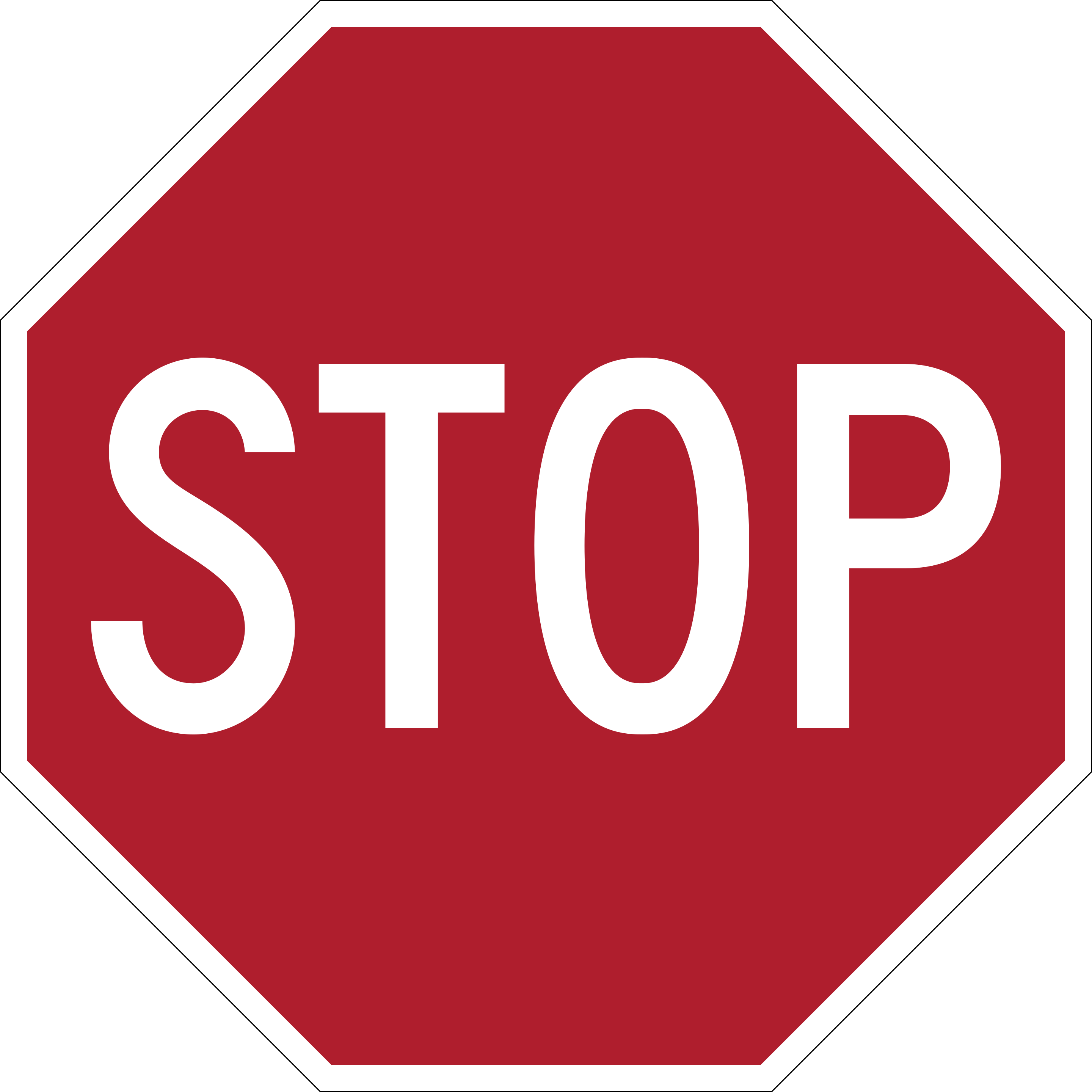
Stop R1-1
A red octagon means come to a full and complete stop, yield to pedestrians and cross traffic, then proceed only when the way is clear.
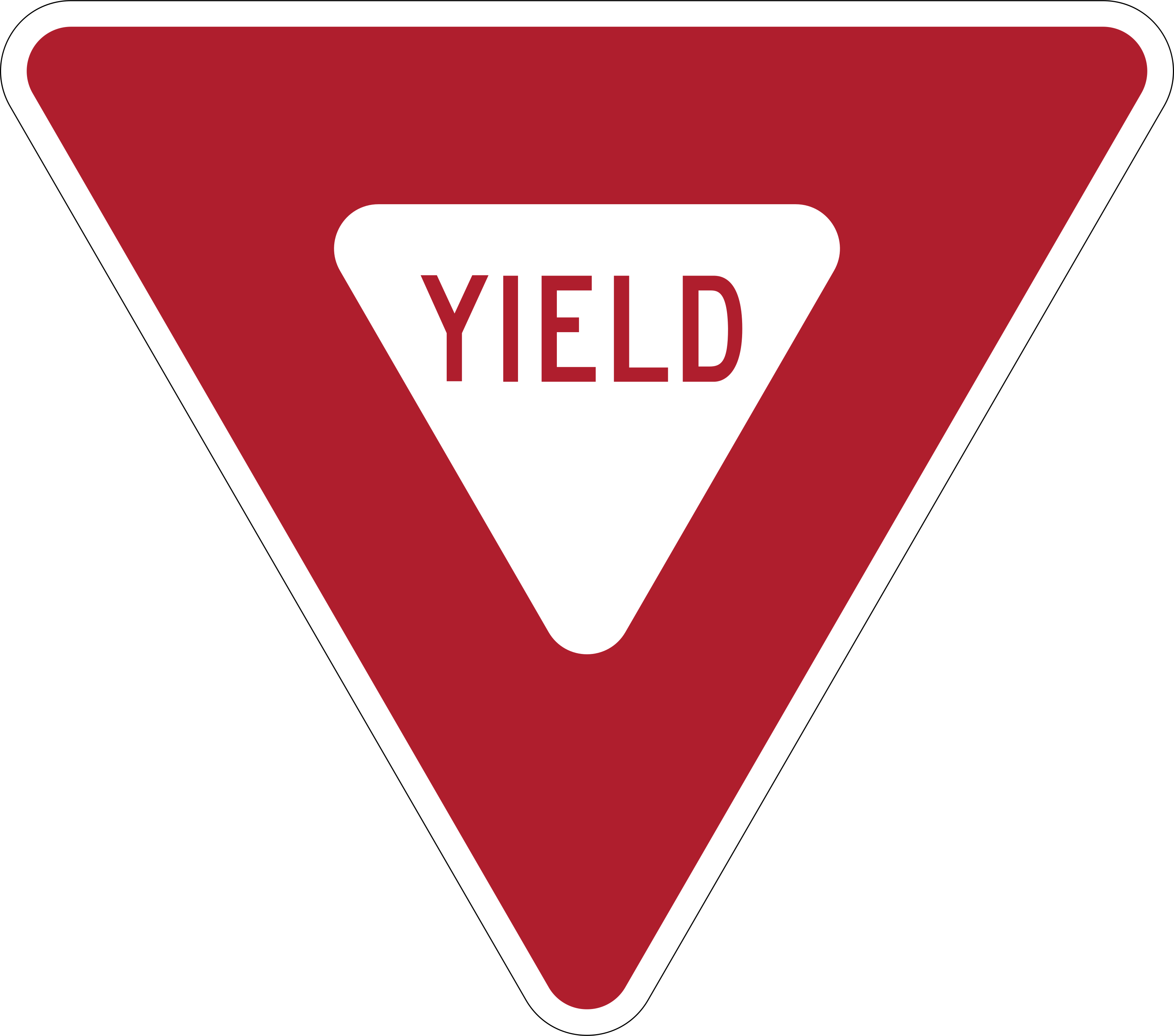
Yield R1-2
The red-and-white downward triangle means slow down, give the right-of-way to traffic and pedestrians ahead, and stop if necessary before merging.
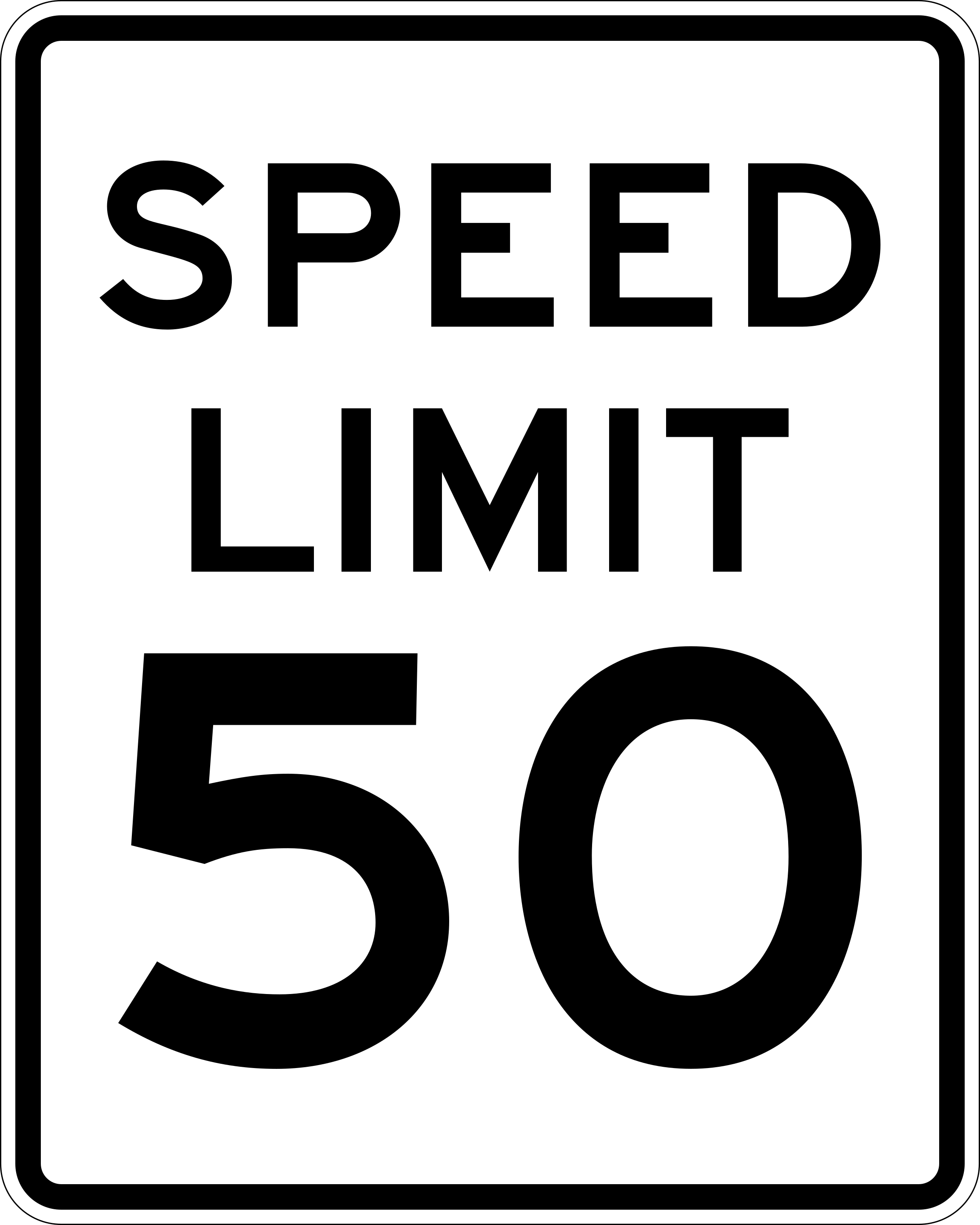
Speed Limit R2-1
States the maximum legal speed in ideal conditions. You must not exceed it, and should drive slower in rain, fog, or heavy traffic.
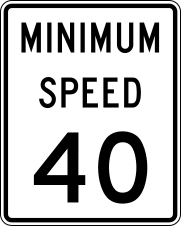
Minimum Speed Limit R2-4
Sets the slowest speed you may legally drive on that road. Traveling below it can obstruct traffic and earn a citation.
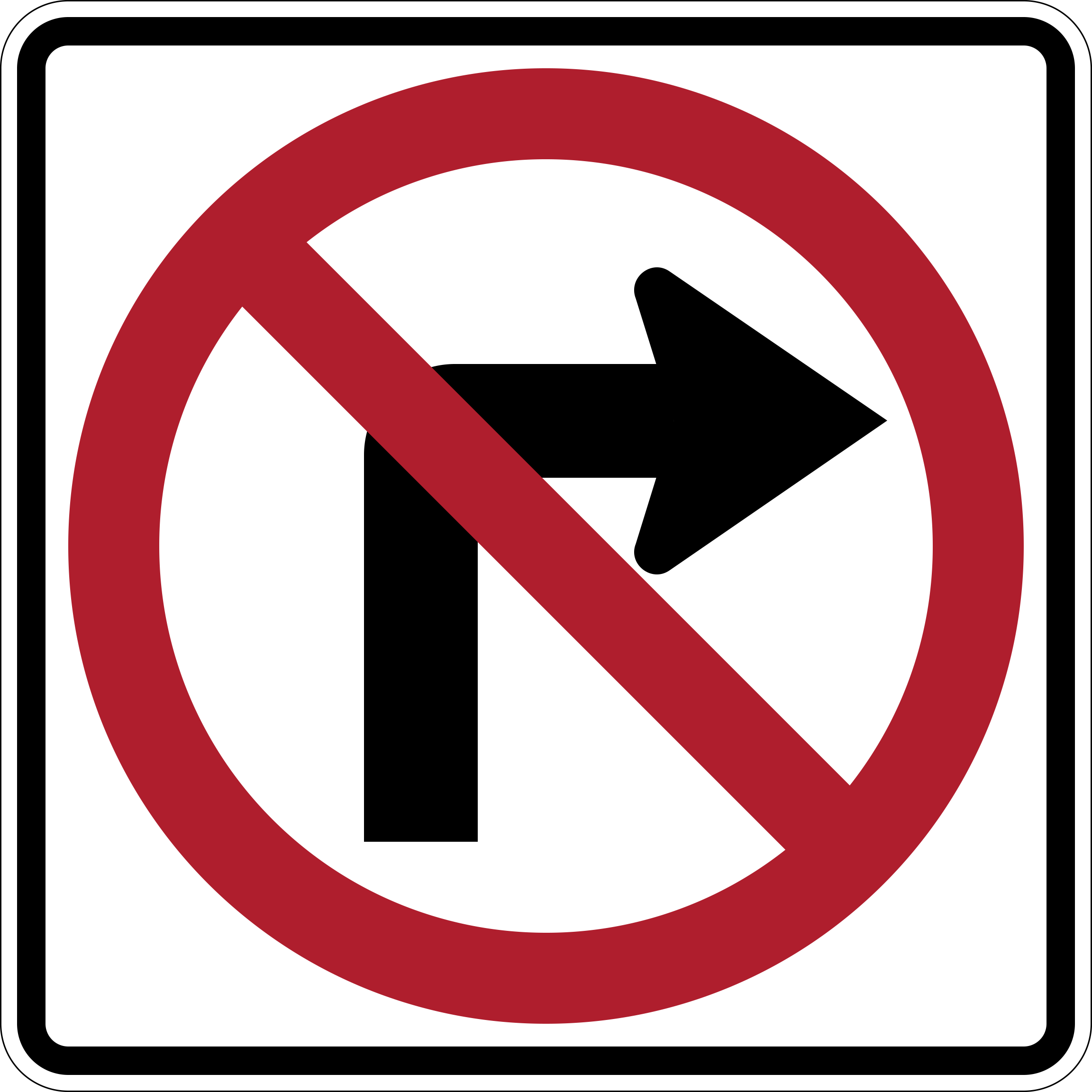
No Right Turn R3-1
A right turn is prohibited at this intersection or driveway.
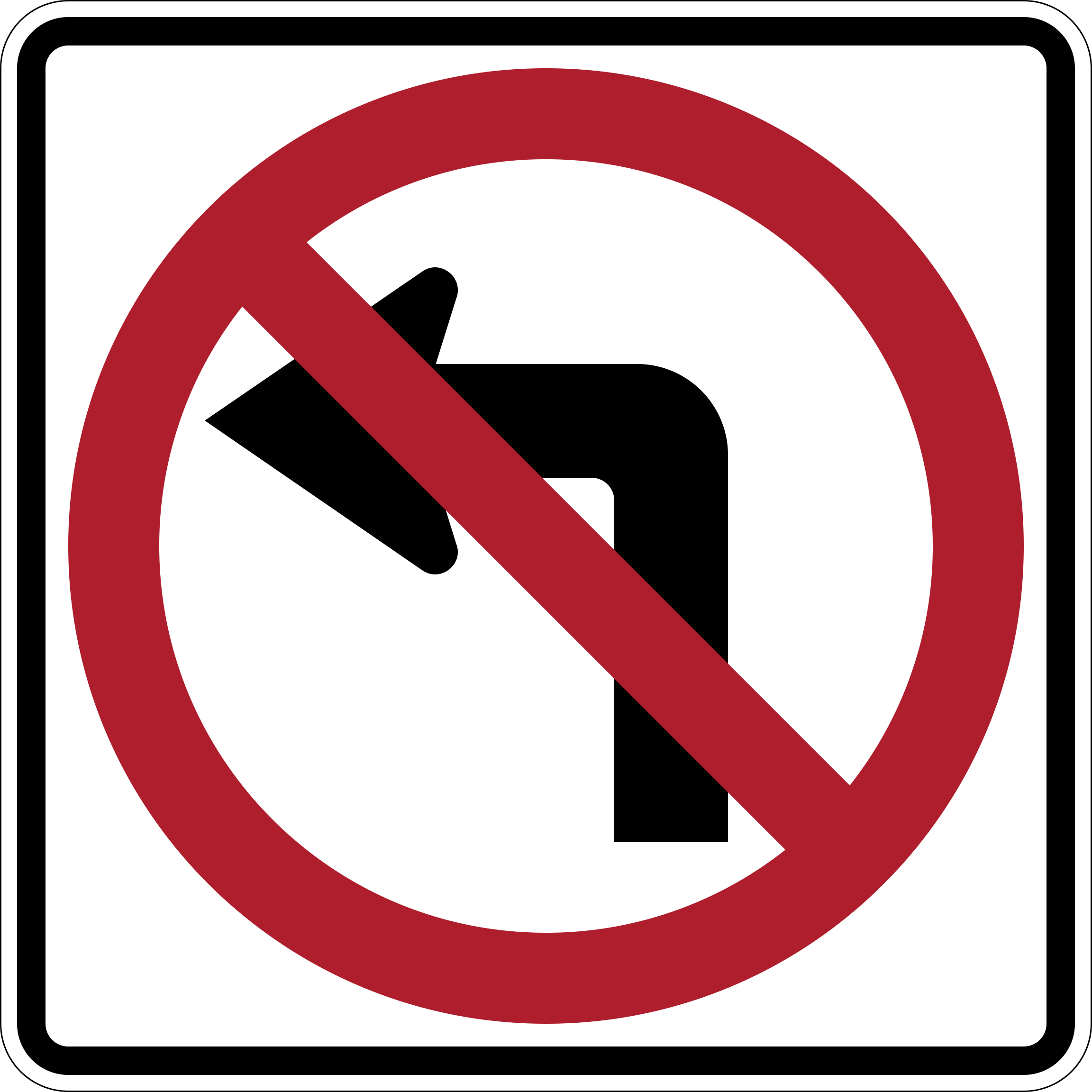
No Left Turn R3-2
A left turn is prohibited here. Continue straight or use an alternate route.
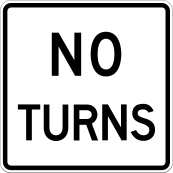
No Turns R3-3
Neither left nor right turns are allowed; you must proceed straight through.
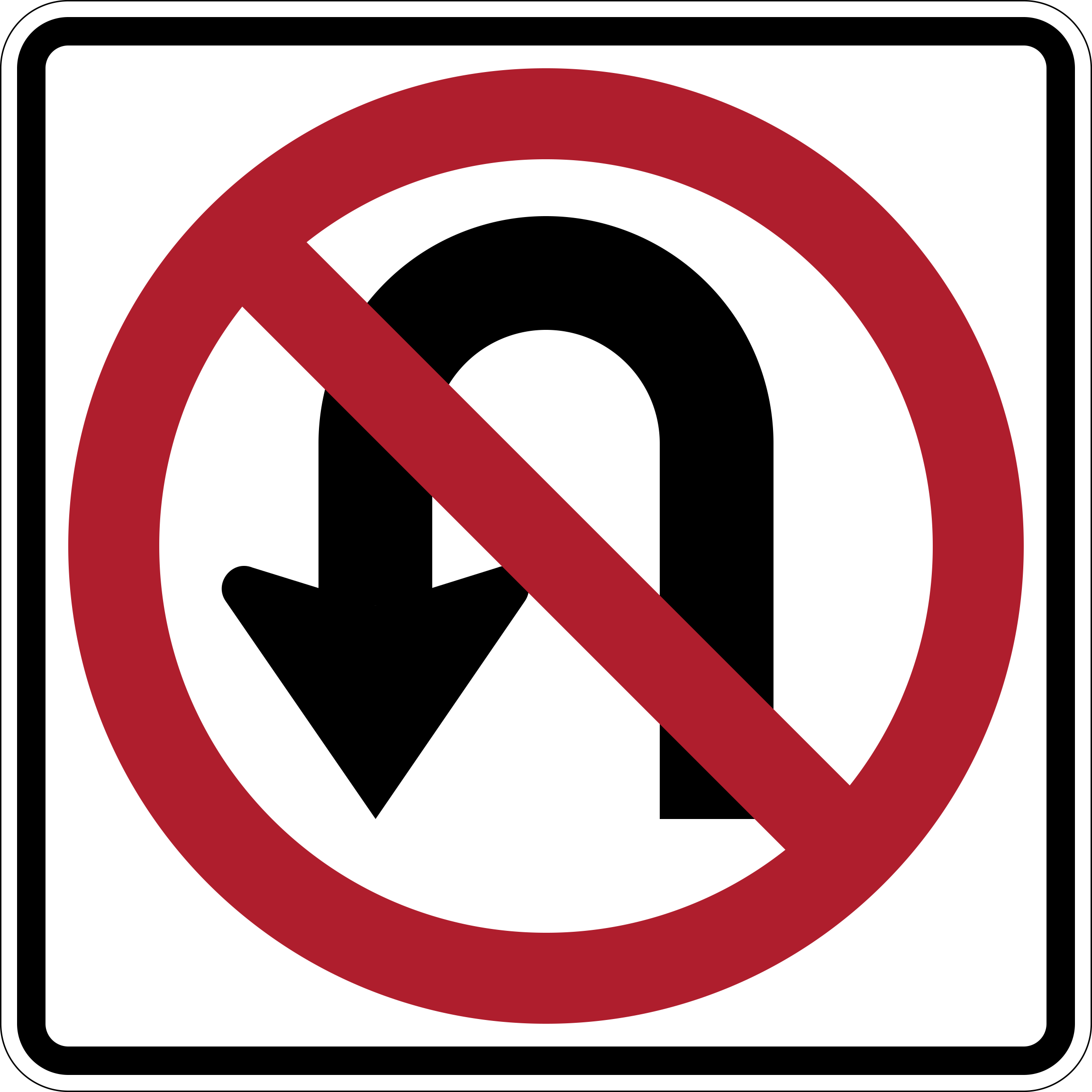
No U-Turn R3-4
You may not make a complete U-turn to reverse direction at this location.
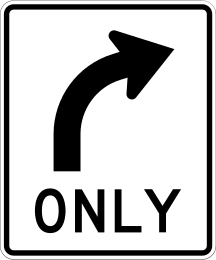
Right Turn Only R3-5R
Traffic in this lane must turn right - a mandatory movement, not an option.
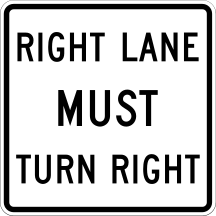
Right Lane Must Turn Right R3-7R
Vehicles in the right lane are required to turn right at the intersection ahead.
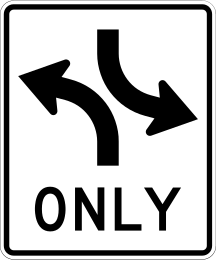
Two-Way Left Turn Only R3-9a
Marks a shared center lane used only for left turns by traffic from both directions; never use it to travel or pass.
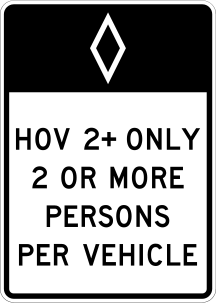
HOV Lane R3-10
Reserves the lane for high-occupancy vehicles (carpools) with the posted minimum number of occupants during the hours shown.
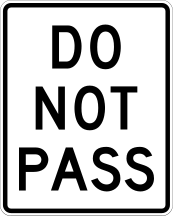
Do Not Pass R4-1
Passing other vehicles is prohibited on this section of road because of limited sight distance or other hazards.
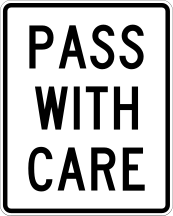
Pass With Care R4-2
You may pass when it is safe; the restricted no-passing zone has ended, so check for oncoming traffic first.
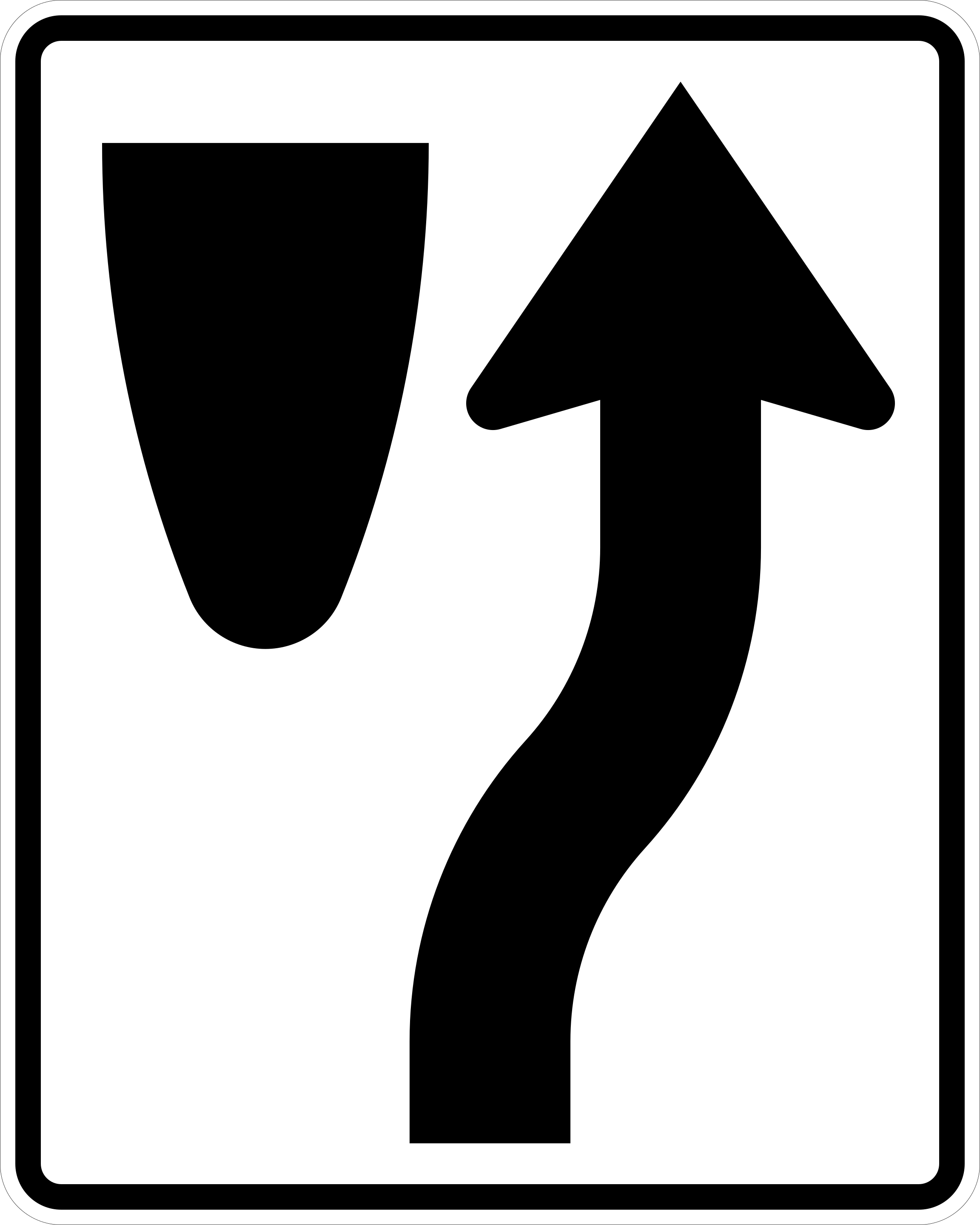
Keep Right R4-7
Keep to the right of a divider, median, or obstruction ahead.
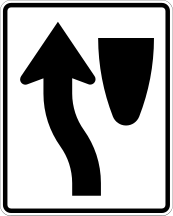
Keep Left R4-8
Keep to the left of an island, median, or obstruction ahead.
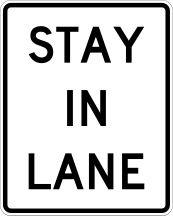
Stay in Lane R4-9
Do not change lanes; remain in your current lane through the area ahead.
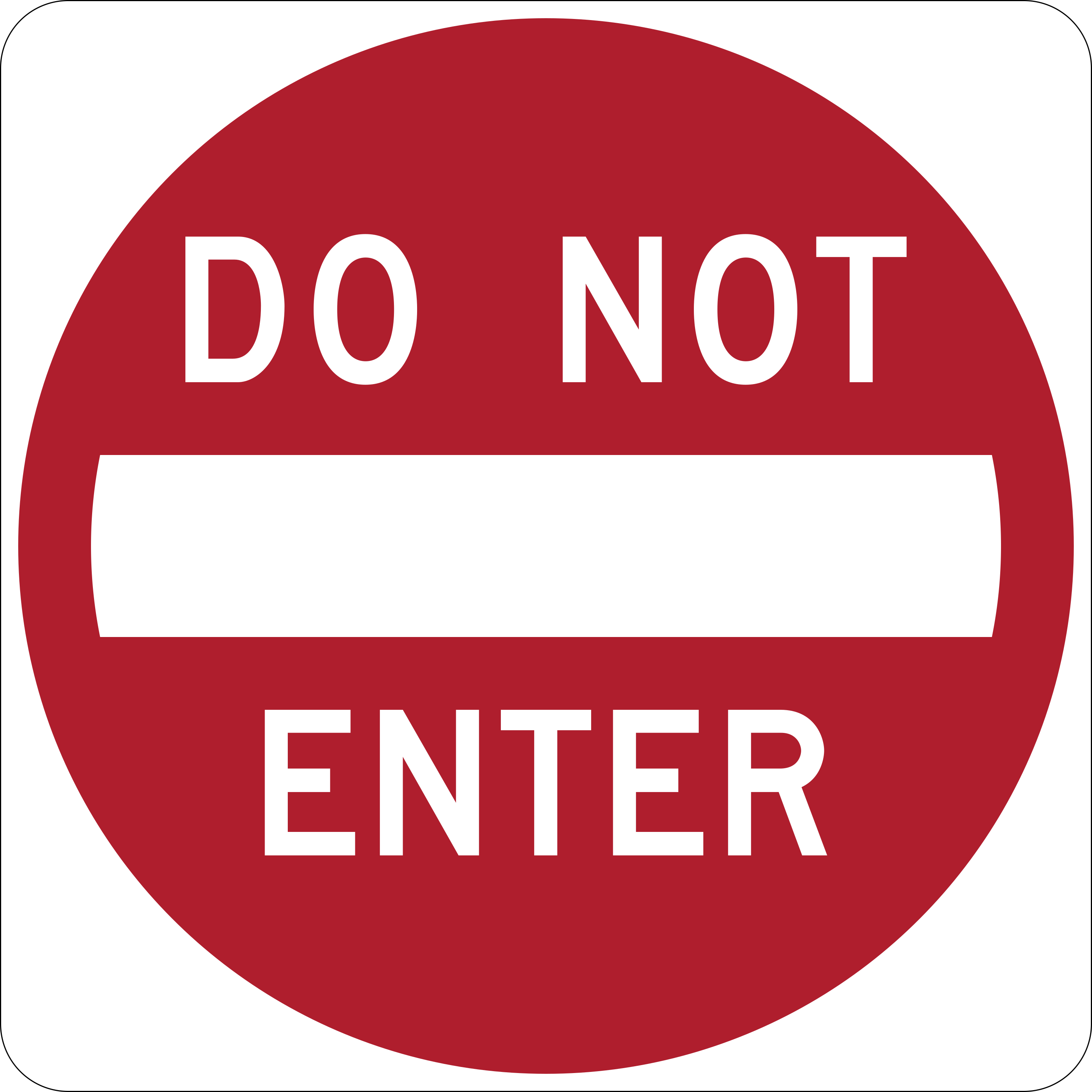
Do Not Enter R5-1
A white horizontal bar on a red circle means do not enter - the roadway ahead carries traffic toward you or is closed to your direction.
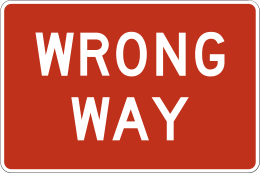
Wrong Way R5-1a
You are traveling against traffic. Stop, back out safely if you can, or turn around - you have entered a one-way road or ramp the wrong way.
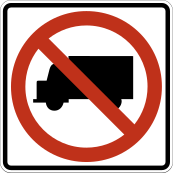
No Trucks R5-2
Trucks are prohibited on this road, often due to weight limits, low clearance, or residential restrictions.
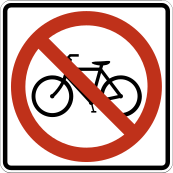
No Bicycles R5-6
Bicycles are not permitted on this roadway, such as a freeway or tunnel.
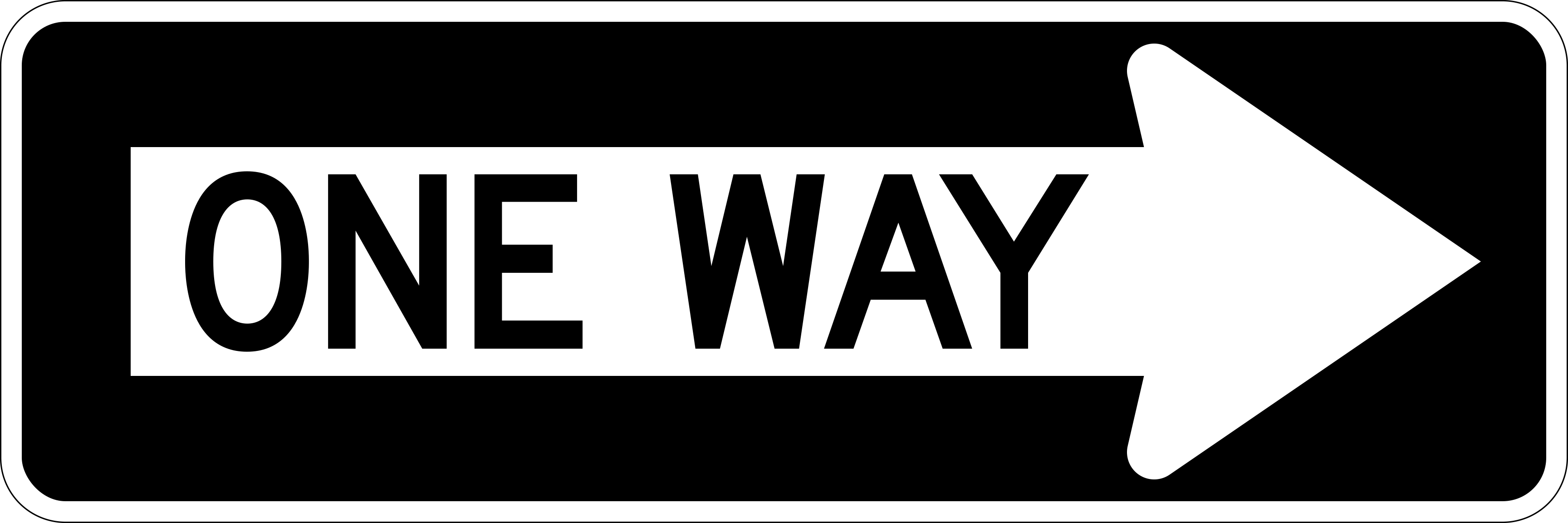
One Way R6-1R
Traffic flows in one direction only, shown by the arrow. Travel only in the direction indicated.
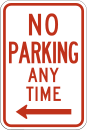
No Parking Any Time R7-1
Parking is prohibited at all times along this stretch of curb or road.
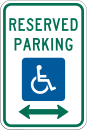
Accessible Parking R7-8
Reserves the space for vehicles displaying a valid disability license plate or placard.
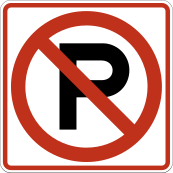
No Parking Symbol R8-3
The circled “P” with a slash means no parking in the area indicated by the arrows or plaque.
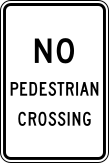
No Pedestrian Crossing R9-3a
Pedestrians may not cross here; use an alternate crosswalk.
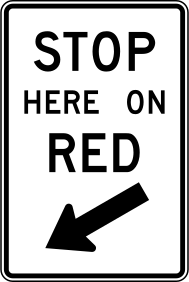
Stop Here on Red R10-6
When the signal is red, stop at this line rather than pulling forward into the intersection.
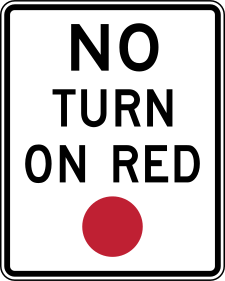
No Turn on Red R10-11
You may not turn while the traffic signal is red; wait for a green indication.
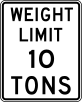
Weight Limit R12-1
States the maximum gross weight allowed, protecting a bridge or road surface from overloading.
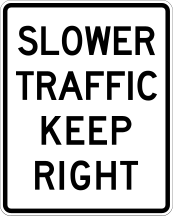
Slower Traffic Keep Right R4-3
Slower vehicles must keep to the right lane so faster traffic can pass on the left.
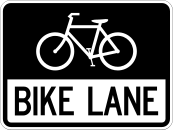
Bike Lane R3-17
Marks a lane reserved for bicycles; motor vehicles must not drive or park in it except as permitted.

All-Way (Stop) R1-3
Mounted below a STOP sign, it means every approach must stop; the first to arrive proceeds first.
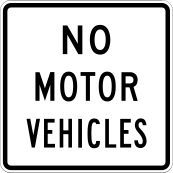
No Motor Vehicles R5-3
Motor vehicles are prohibited; the road is open only to pedestrians, bicycles, or other permitted users.
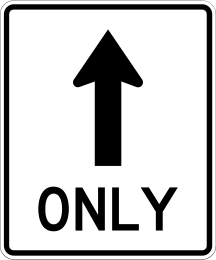
Straight Through Only R3-5a
Tells drivers in this lane that they must continue straight ahead. Turning left or right from this lane is not allowed.
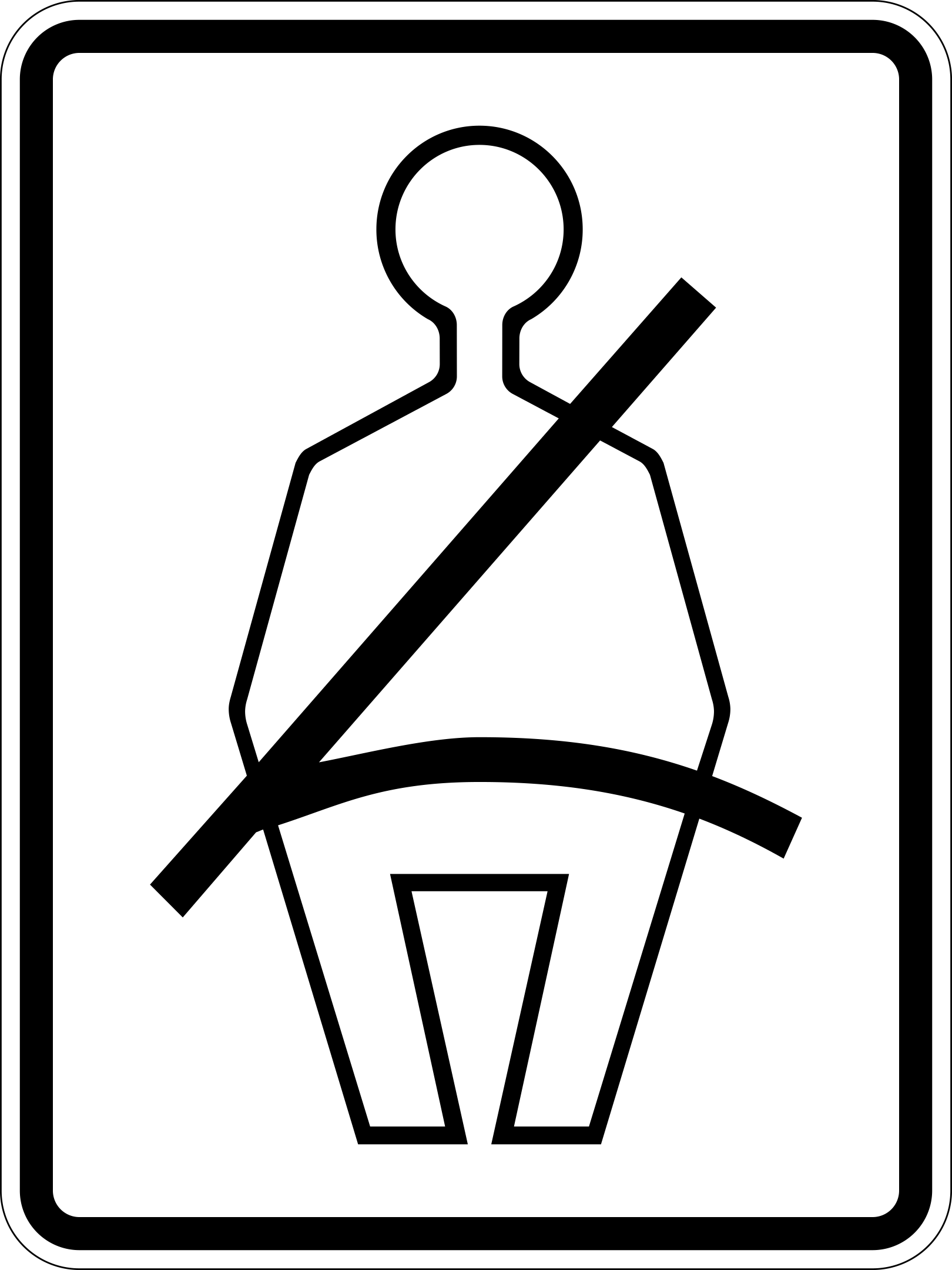
Seat Belt Required R16-1
Reminds drivers and passengers that state law requires seat belts to be fastened. Buckle up before driving and make sure everyone in the vehicle does the same.
Warning Signs 50
Yellow diamond, black symbols
Warning signs alert you to hazards or changes in the road ahead so you can slow down and prepare. Almost all are yellow diamonds with black symbols. They do not command action the way regulatory signs do, but reacting to them keeps you safe and is tested heavily on the permit exam.

Turn W1-1R
A sharp turn in the road ahead in the direction of the arrow; slow down before you reach it.

Curve W1-2R
The road curves gently ahead in the direction shown; adjust your speed to stay in your lane.

Reverse Turn W1-3R
Two sharp turns in opposite directions - first one way, then the other. Reduce speed for the S-shaped bends.

Reverse Curve W1-4R
The road curves one way and then back the other in a gentler S-shape; slow down and stay centered.

Winding Road W1-5
A series of three or more curves ahead. Reduce speed and stay alert through the winding section.

Chevron Alignment W1-8
Mounted in a curve, chevrons point the way the road bends and guide you through the turn.

Cross Road W2-1
A four-way intersection is ahead; watch for traffic entering or crossing from both sides.

Side Road W2-2
Another road joins yours at an angle from the side ahead; watch for merging vehicles.

T-Intersection W2-4
The road you are on ends ahead at a T; you must turn left or right.

Y-Intersection W2-5
The road splits ahead into a Y; be ready to bear left or right.

Roundabout Ahead W2-6
A traffic circle (roundabout) is ahead. Slow down and yield to traffic already circulating.

Stop Ahead W3-1
A stop sign is coming up, often hidden by a curve or hill. Begin slowing so you can stop in time.

Yield Ahead W3-2
A yield sign is ahead; prepare to give the right-of-way.
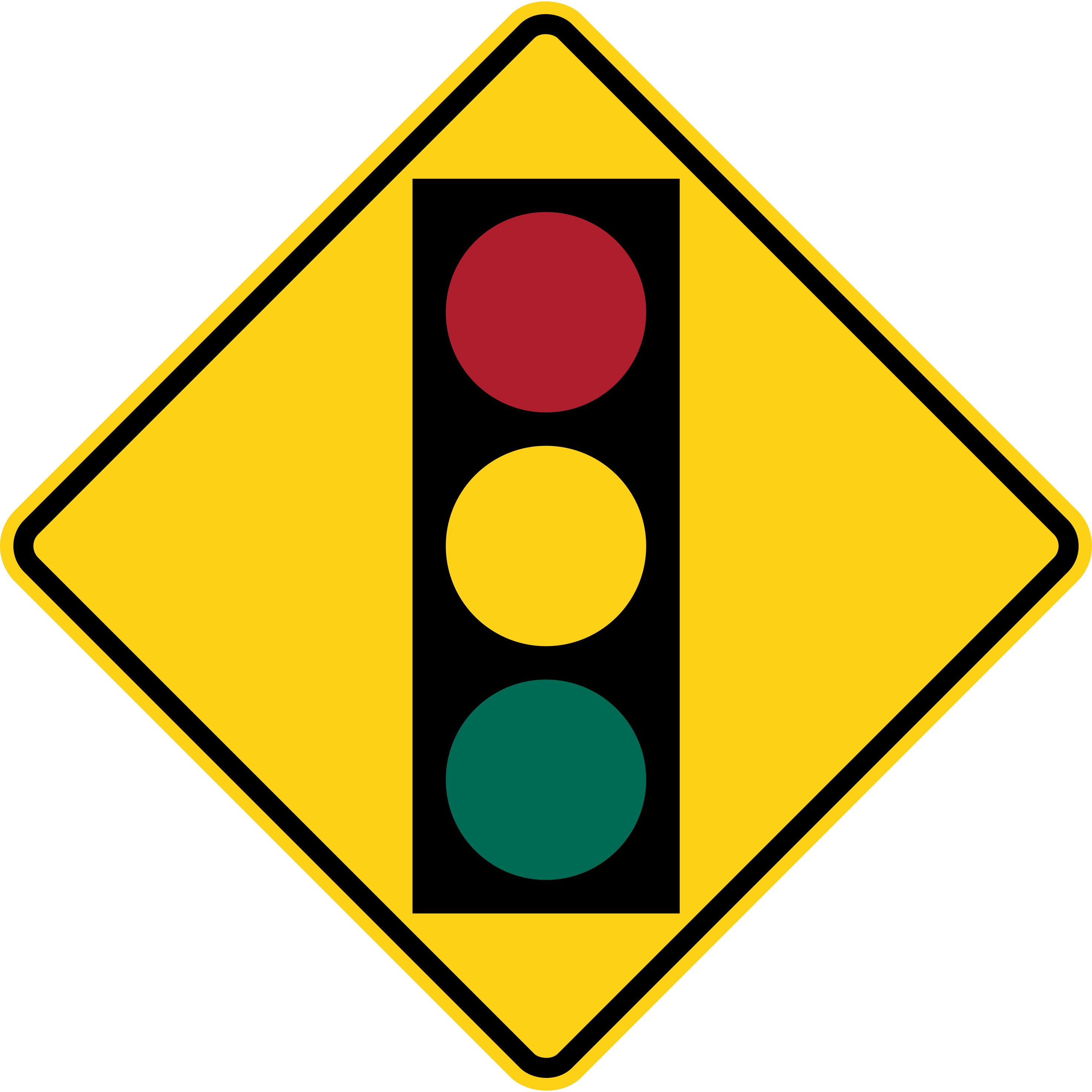
Signal Ahead W3-3
A traffic light is ahead, possibly out of sight. Be ready to stop if it is yellow or red.

Be Prepared to Stop W3-4
Traffic ahead may require you to stop; slow down and stay alert, often paired with a signal-ahead sign.

Merge W4-1
Another lane of traffic merges with yours ahead; adjust speed and position to let vehicles blend in.

Lane Ends W4-2R
The road narrows and one lane ends ahead; merge into the continuing lane in good time.

Added Lane W4-3
A new lane is added on your side, so merging traffic need not force its way in; no immediate lane change is required.

Road Narrows W5-1
The pavement gets narrower ahead on both sides; slow down and keep centered.

Narrow Bridge W5-2
The bridge ahead is narrower than the road; slow and watch for oncoming vehicles.

Divided Highway Begins W6-1
The road ahead divides into two one-way roadways separated by a median; keep right.

Divided Highway Ends W6-2
The divided highway ends ahead and returns to two-way traffic; keep right and watch for oncoming vehicles.
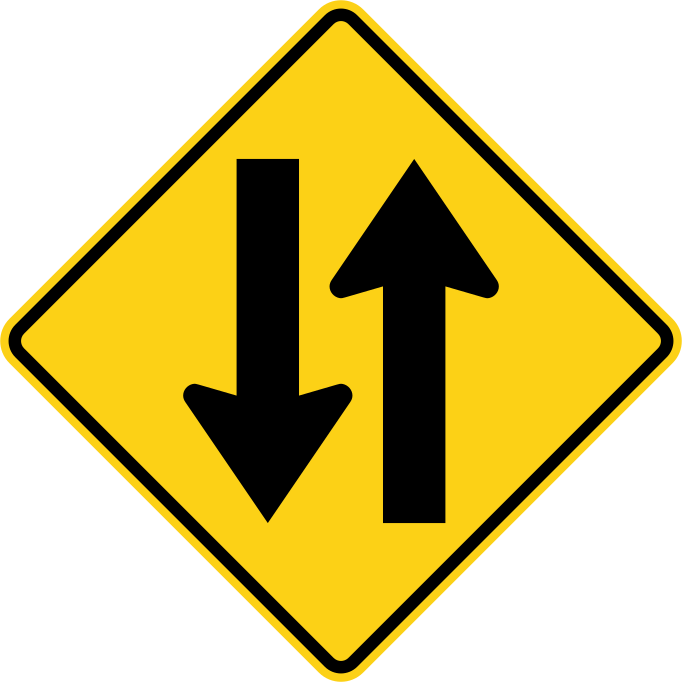
Two-Way Traffic W6-3
A one-way section is ending and you will meet oncoming traffic ahead; keep right and do not pass unsafely.

Hill / Steep Grade W7-1
A steep downgrade is ahead. Slow down, shift to a lower gear, and save your brakes.

Bump W8-1
A bump or raised surface is in the road ahead; slow to cross it comfortably.

Dip W8-2
A low place or dip is in the road ahead; slow down to avoid losing control or bottoming out.

Pavement Ends W8-3
The paved surface ends ahead and becomes gravel or dirt; reduce speed for lower traction.

Soft Shoulder W8-4
The shoulder is soft or unstable; keep your wheels on the pavement and do not pull off unless necessary.

Slippery When Wet W8-5
The road becomes slick in rain, ice, or snow. Slow down, avoid sudden moves, and increase following distance.

Low Shoulder W8-9
The shoulder is lower than the pavement edge; steer back gently if your wheels drift off.

Uneven Lanes W8-11
Adjacent lanes are at different heights, often during repaving; change lanes with care.

Bicycle Crossing W11-1
Watch for bicyclists crossing or sharing the road ahead.

Pedestrian Crossing W11-2
People may be crossing ahead; slow down and be ready to yield to pedestrians.

Deer Crossing W11-3
Deer or other large animals frequently cross here, especially at dawn and dusk; slow down and scan the roadsides.

Low Clearance W12-2
The overpass or structure ahead is lower than standard; tall vehicles must not exceed the posted height.

Dead End W14-1
The road ahead terminates with no way through; you will have to turn around.

No Outlet W14-2
This road, and the streets connecting to it, provide no through route; expect to return the way you came.
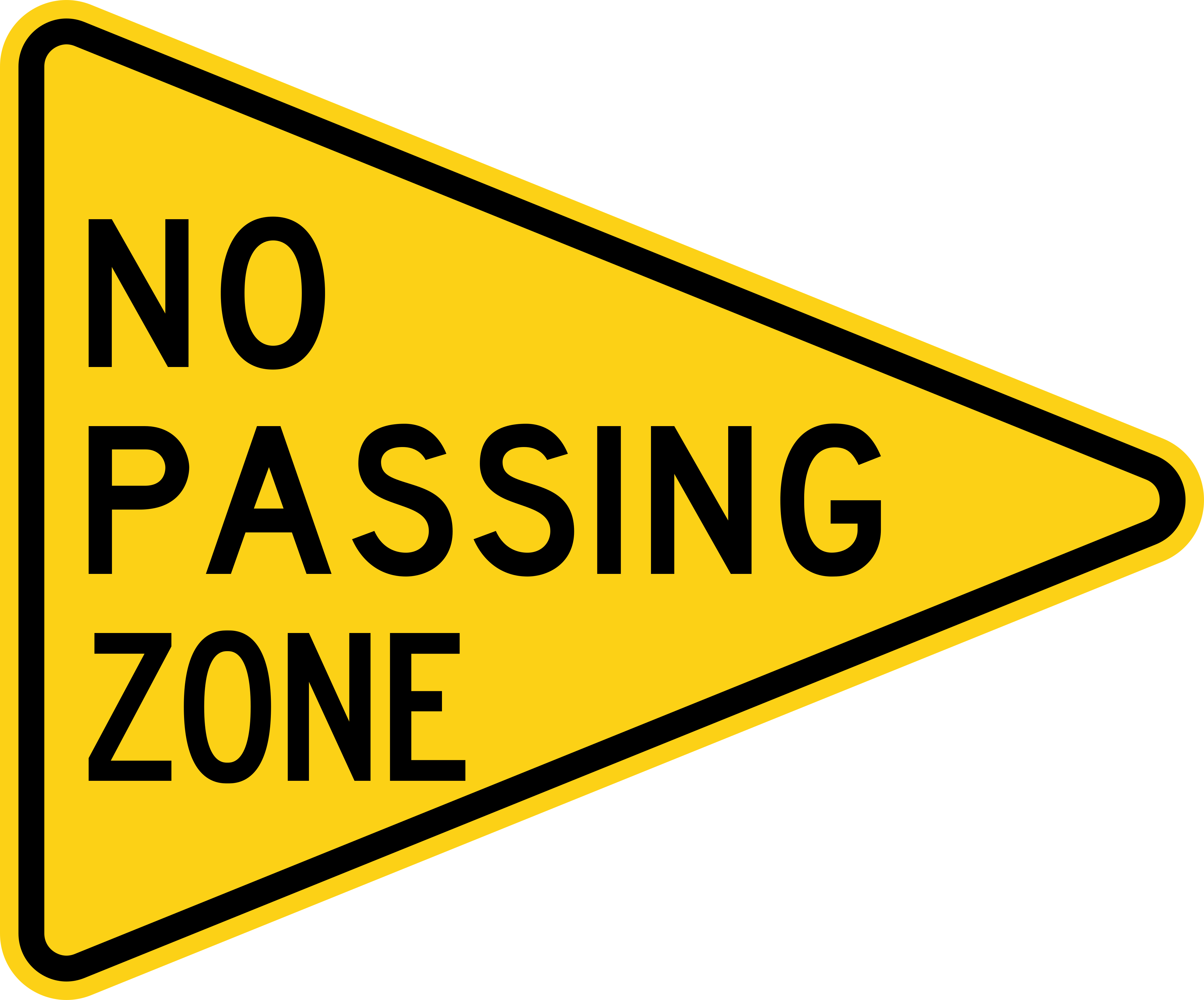
No Passing Zone W14-3
The yellow pennant on the left marks the start of a no-passing zone; do not pass until it is safe and legal again.
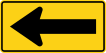
One-Direction Large Arrow W1-6
A large arrow marks a sharp change in road direction; follow the arrow through the turn.

Cattle Crossing W11-4
Livestock may be on or crossing the road ahead; slow down and be ready to stop.

Farm Machinery W11-5
Slow-moving farm equipment may be on the road ahead; be patient and pass only when safe.

Playground W15-1
A playground is next to the road ahead; watch for children at play.

Advisory Speed W13-1P
A yellow plaque showing the safe speed for the curve or ramp ahead, usually lower than the posted limit.

Truck Crossing W8-6
Trucks enter or cross the road ahead, often from a construction or industrial site.

Speed Hump W17-1
A raised speed hump is ahead; slow down to cross it comfortably.

Emergency Vehicles W11-8
Warns that fire trucks and other emergency vehicles may enter the road ahead, often near a fire station. Slow down and be ready to yield to vehicles with flashing lights and sirens.

270-Degree Loop W1-15
Warns that the road ahead curves around in a 270 degree loop, such as a cloverleaf ramp. Slow down before entering and hold a steady speed through the loop.

Bridge Ices Before Road W8-13
Warns that the bridge ahead can be icy even when the rest of the road is not, because bridges freeze first in cold weather. Slow down and avoid sudden braking or steering on the bridge.
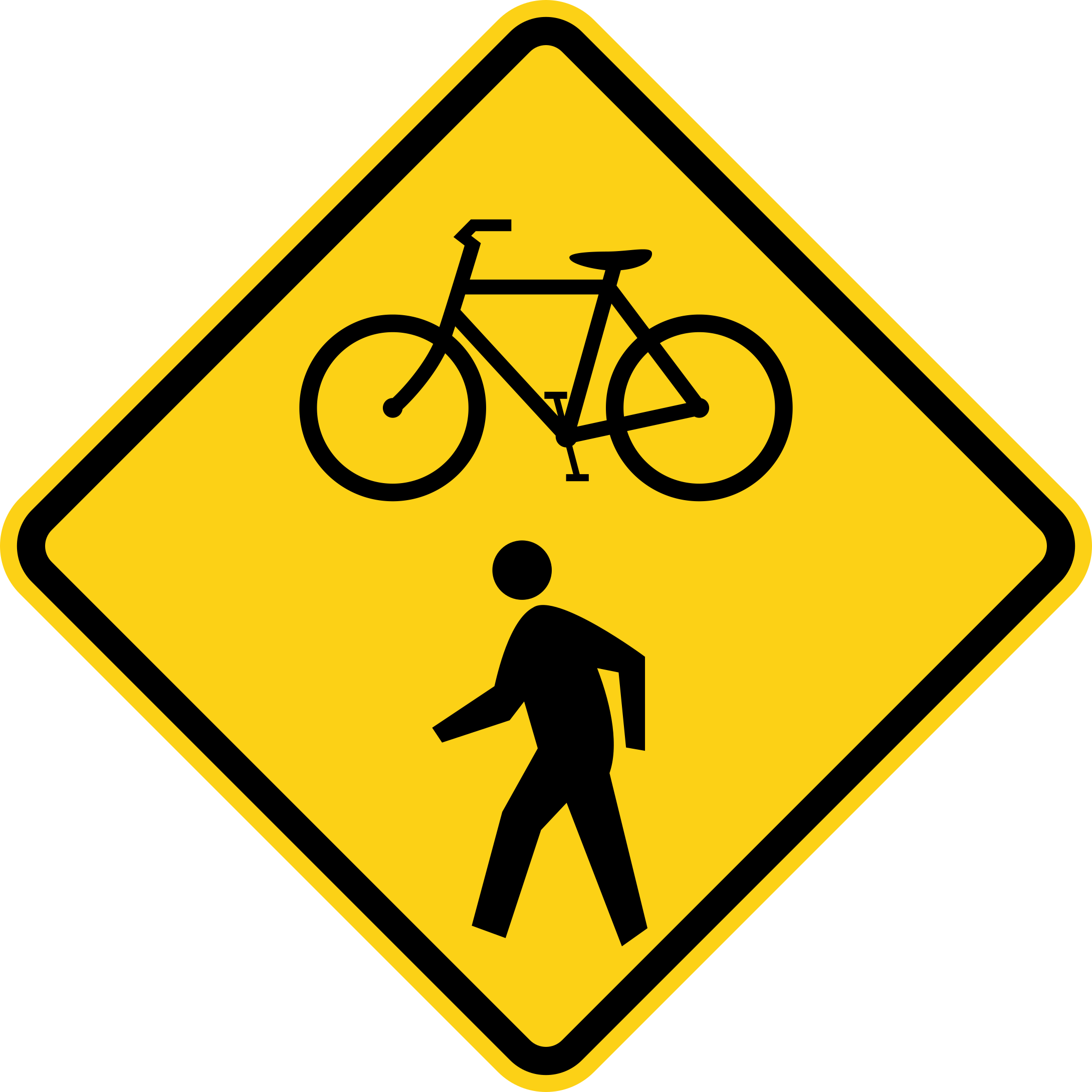
Trail Crossing W11-15
Warns that a shared use path crosses the road ahead, so both bicyclists and pedestrians may be crossing. Slow down and be prepared to stop for people on the trail.

Slow Moving Vehicle Emblem SMV
A reflective orange triangle with a red border mounted on the back of vehicles that travel 25 mph or less, such as farm equipment. When you see it, slow down early and pass only when it is safe and legal.
School Zone & Crossing Signs 2
Fluorescent yellow-green pentagon
School signs use a bright fluorescent yellow-green pentagon (five-sided) shape reserved exclusively for schools, school zones, and school crossings. Reduced speed limits in these zones are strictly enforced when children are present.

School Zone / School Crossing S1-1
A fluorescent yellow-green pentagon warns of a school or school crossing ahead; slow down and watch for children.
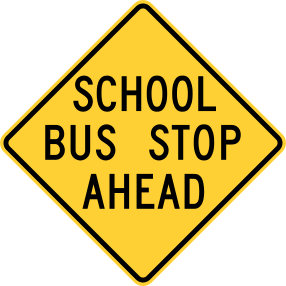
School Bus Stop Ahead S3-1
A school bus stop is ahead; be ready to stop when the bus's red lights flash.
Construction & Work Zone Signs 10
Orange diamond or rectangle
Work zone signs are orange to mark temporary traffic control around road construction and maintenance. Fines are typically doubled in active work zones, and conditions change daily, so these signs override the normal signs you already know.
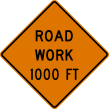
Road Work Ahead W20-1
Construction or maintenance work is ahead; slow down, be ready for workers, equipment, and changed traffic patterns.
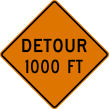
Detour Ahead W20-2
The normal route is closed ahead and a detour will guide you around the work zone.
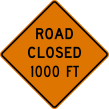
Road Closed Ahead W20-3
The road ahead is closed; prepare to stop or follow the marked detour.
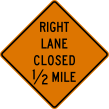
Lane Closed Ahead W20-5R
A lane is closed for work ahead; merge into the open lane before you reach the closure.
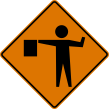
Flagger Ahead W20-7
A flagger controls traffic through the work zone ahead; obey their signals, which override signs and signals.
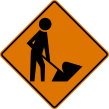
Workers Ahead W21-1
Workers are on or near the roadway ahead; slow down and give them room.

End Road Work G20-2
The work zone ends here and normal driving conditions resume.

Detour M4-9
Marks the detour route around a closure; follow the detour markers to rejoin your road.
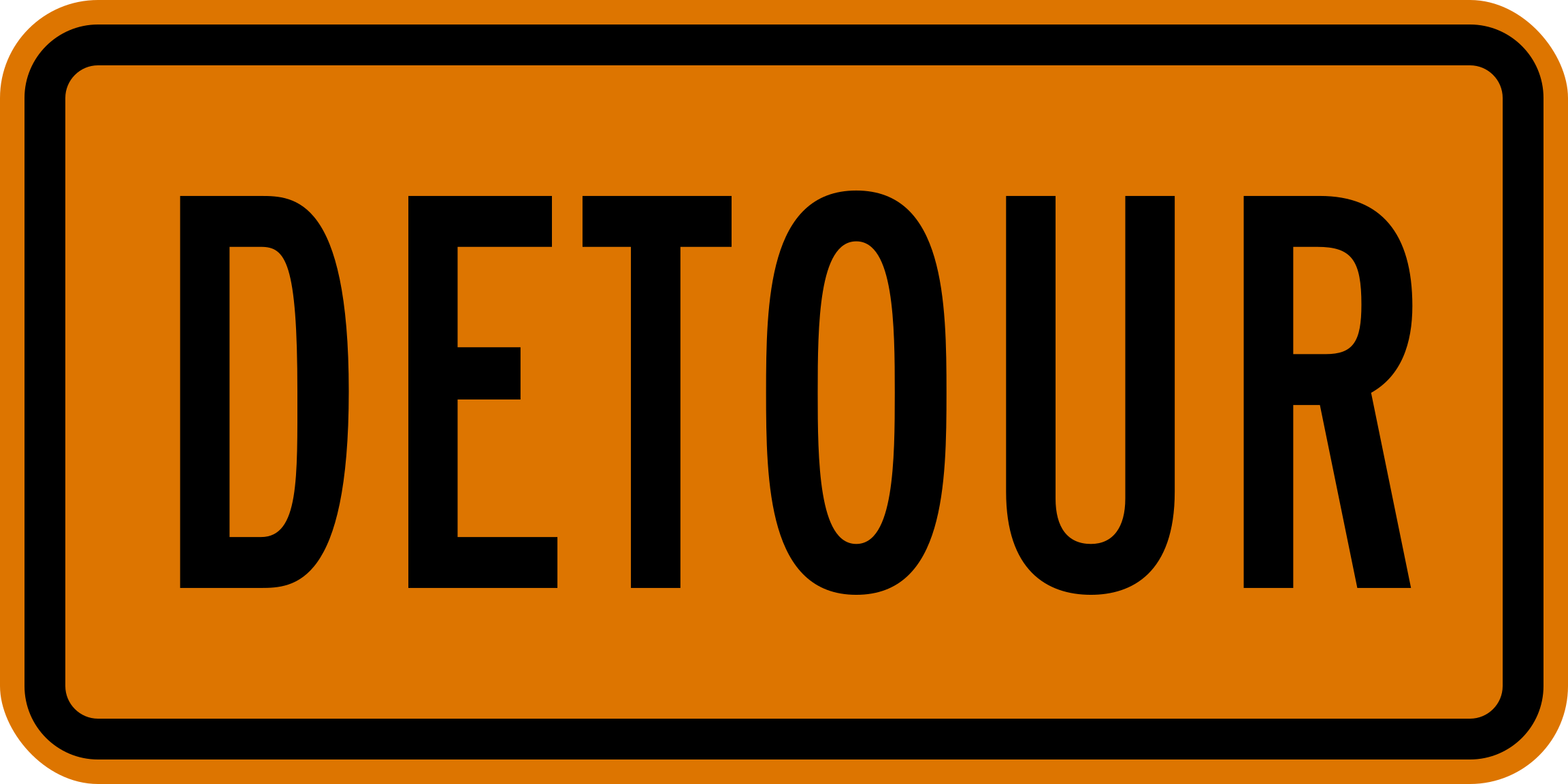
Detour (Directional) M4-10
A detour marker with a directional arrow showing which way to follow the temporary route.
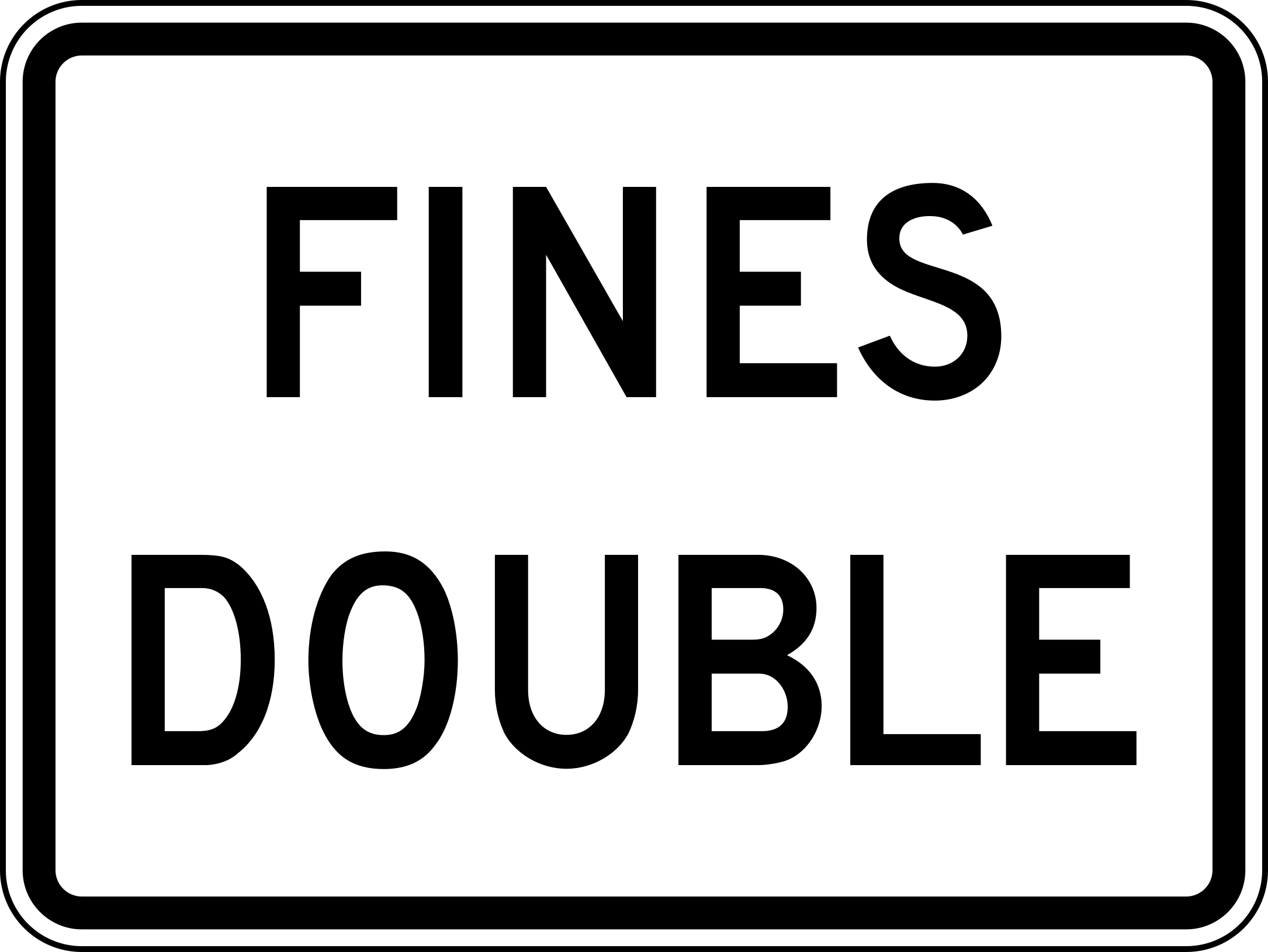
Fines Double R2-6aP
A plaque posted with speed limit signs, most often in work zones, telling drivers that traffic fines are doubled in this area. Obey the posted limit closely because violations cost twice as much here.
Guide & Route Marker Signs 8
Green or route-shield shapes
Guide signs help you navigate: green destination and distance signs, plus the route-marker shields that identify Interstate, U.S., and state highways. They inform rather than regulate, but reading them correctly keeps you in the right lane for your exit.
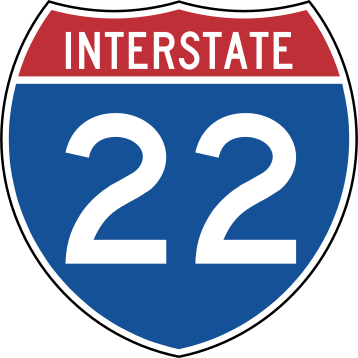
Interstate Route Marker M1-1
The red-white-and-blue shield identifies an Interstate highway and its route number.
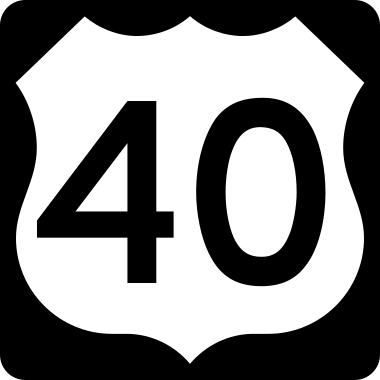
U.S. Route Marker M1-4
The white shield marks a U.S. numbered highway and its route number.
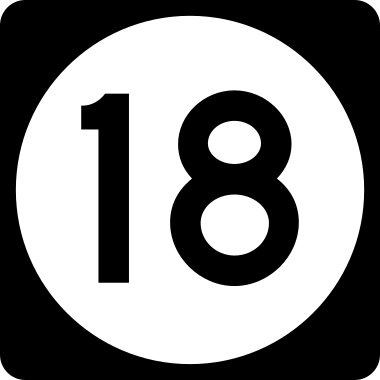
State Route Marker M1-5
Identifies a state highway; the shape and design vary by state.
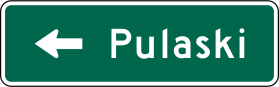
Destination Guide Sign D1-1
A green sign giving directions and distances to cities, towns, or junctions ahead.
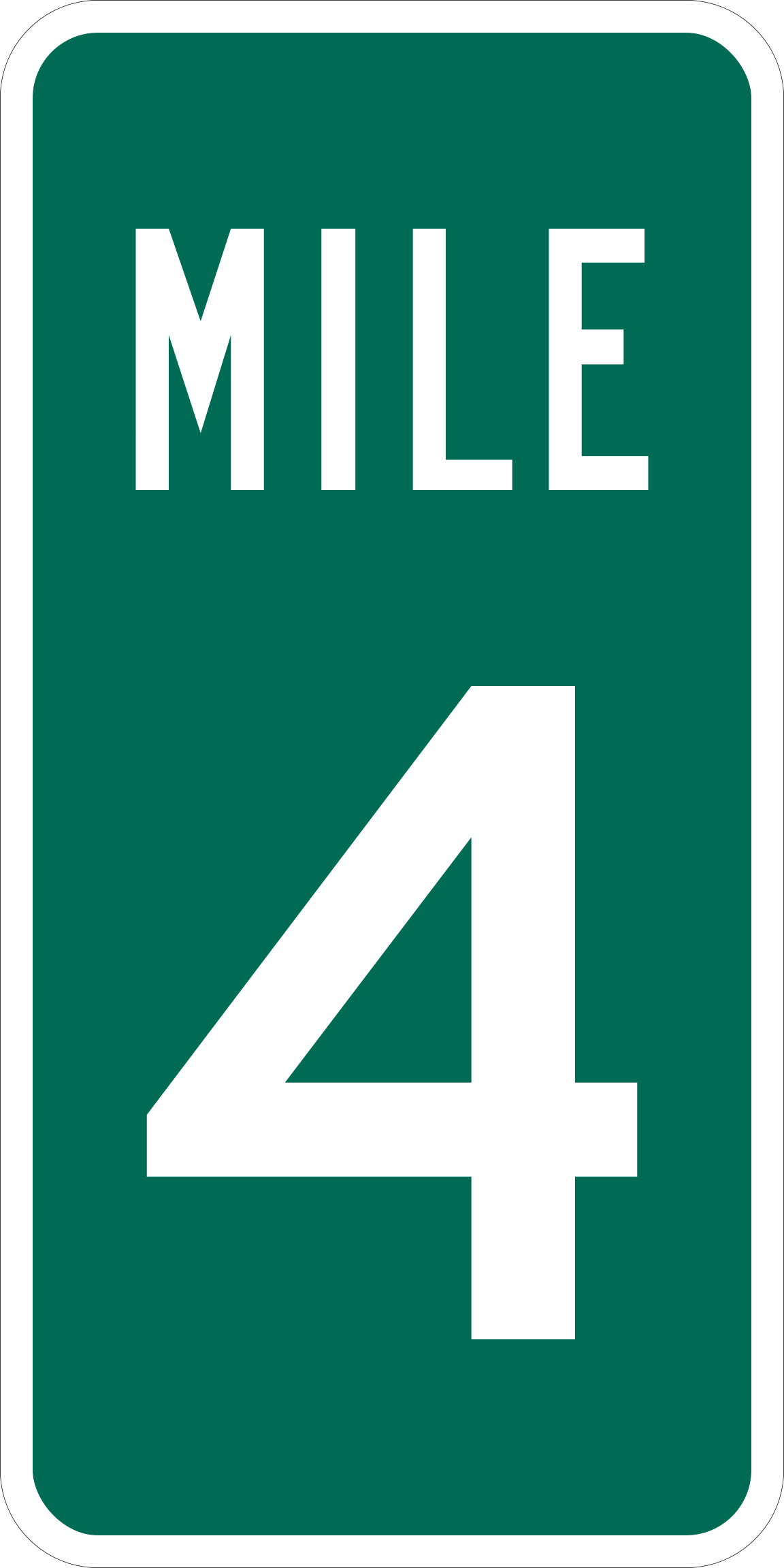
Milepost / Mile Marker D10-1
Small green markers count the miles along a highway, helping you track distance and report your location in an emergency.
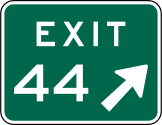
Exit E5-1
Marks the exit point where a ramp leaves the highway, often showing the exit number.
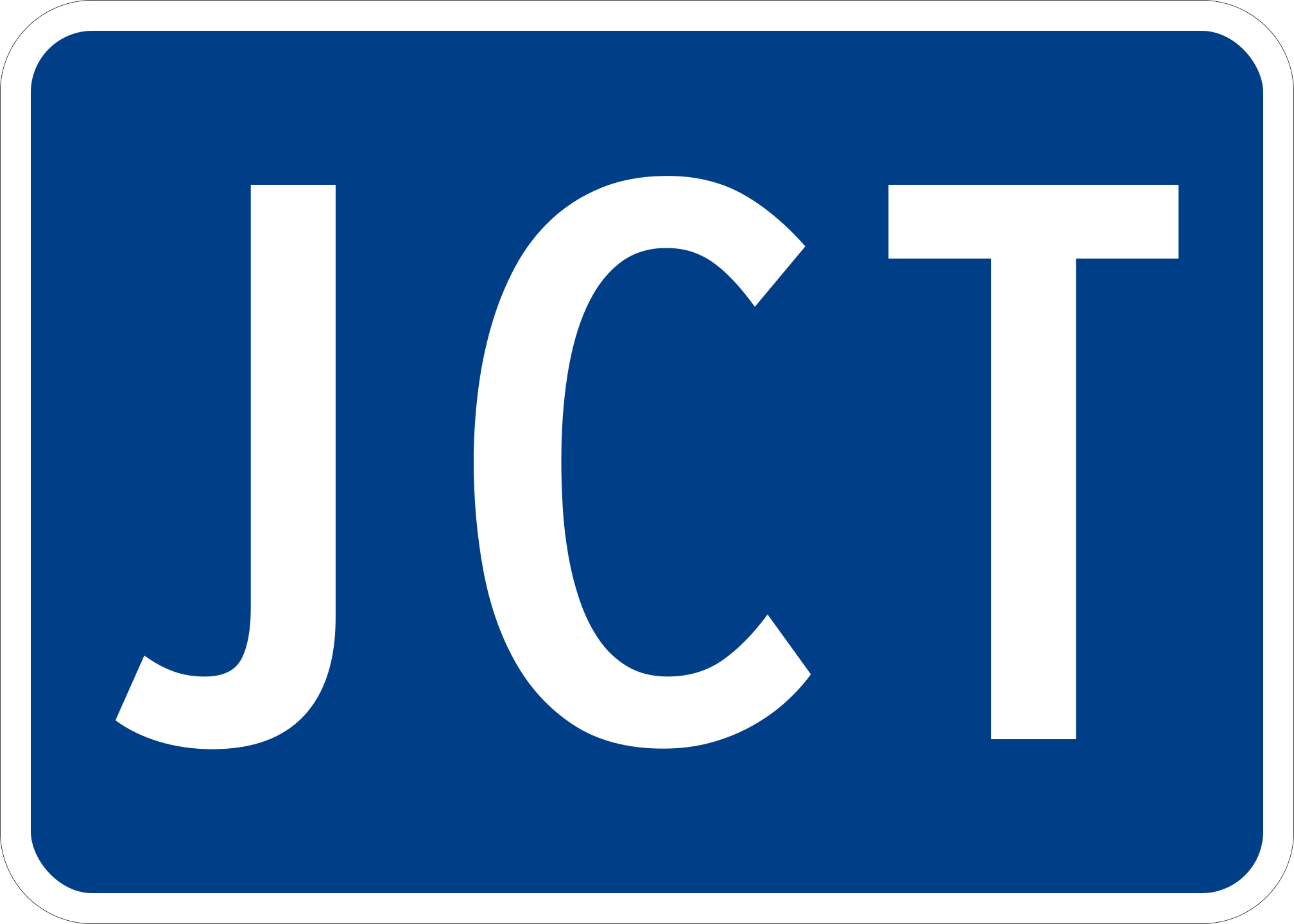
Junction M2-1
Indicates that another numbered route joins or crosses ahead (JCT), usually above the route shields.
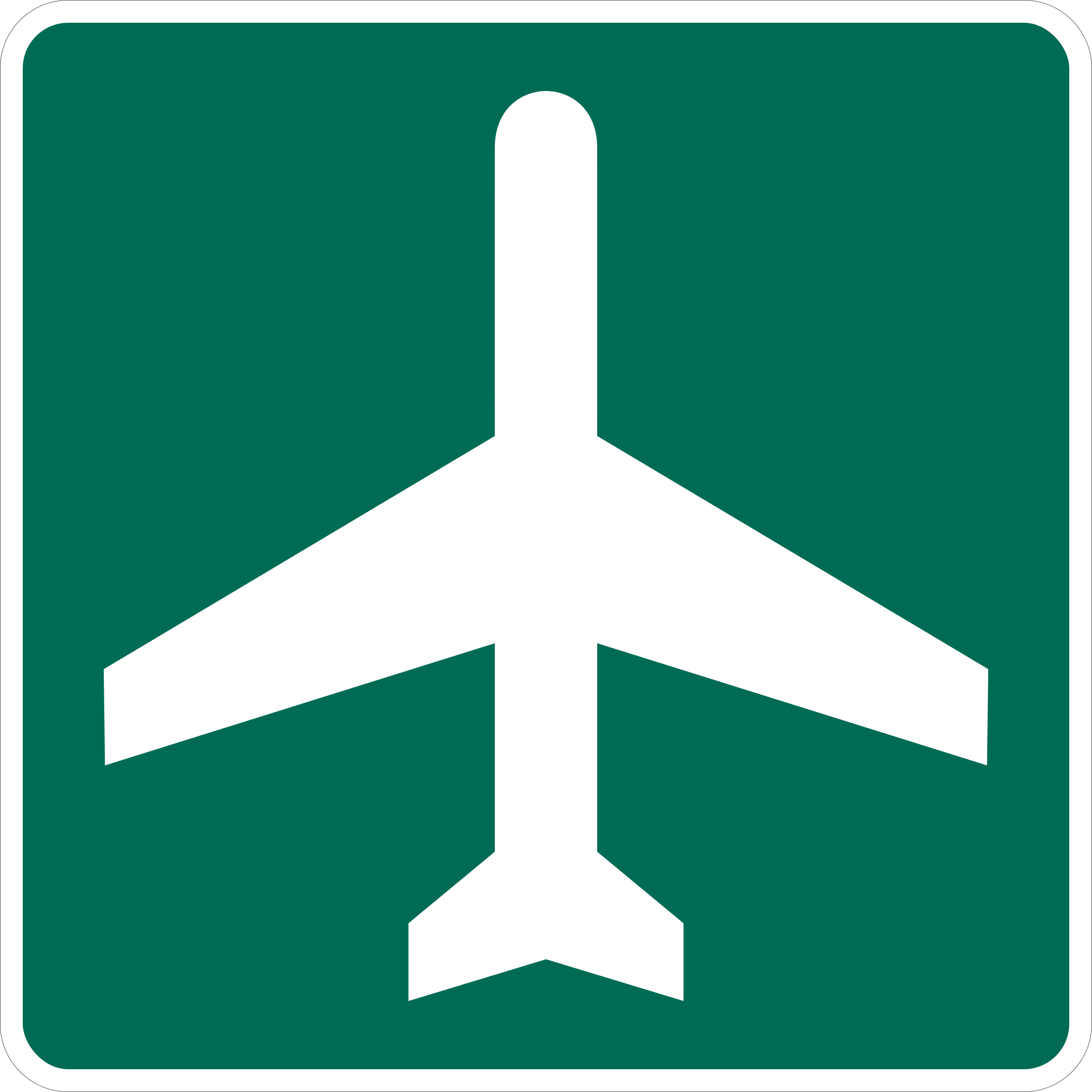
Airport I-5
A guide sign with an airplane symbol showing the way to an airport. Follow it when you need directions to airport facilities.
Services, Rest & Recreation Signs 7
Blue (services) or brown (recreation)
Blue service signs point to motorist services such as fuel, food, lodging, hospitals, and rest areas. Brown signs mark parks, recreation, and cultural or scenic sites. They tell you what is available at the next exit.
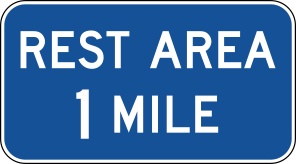
Rest Area D5-1
A rest area with parking and restrooms is ahead where you can stop to rest.
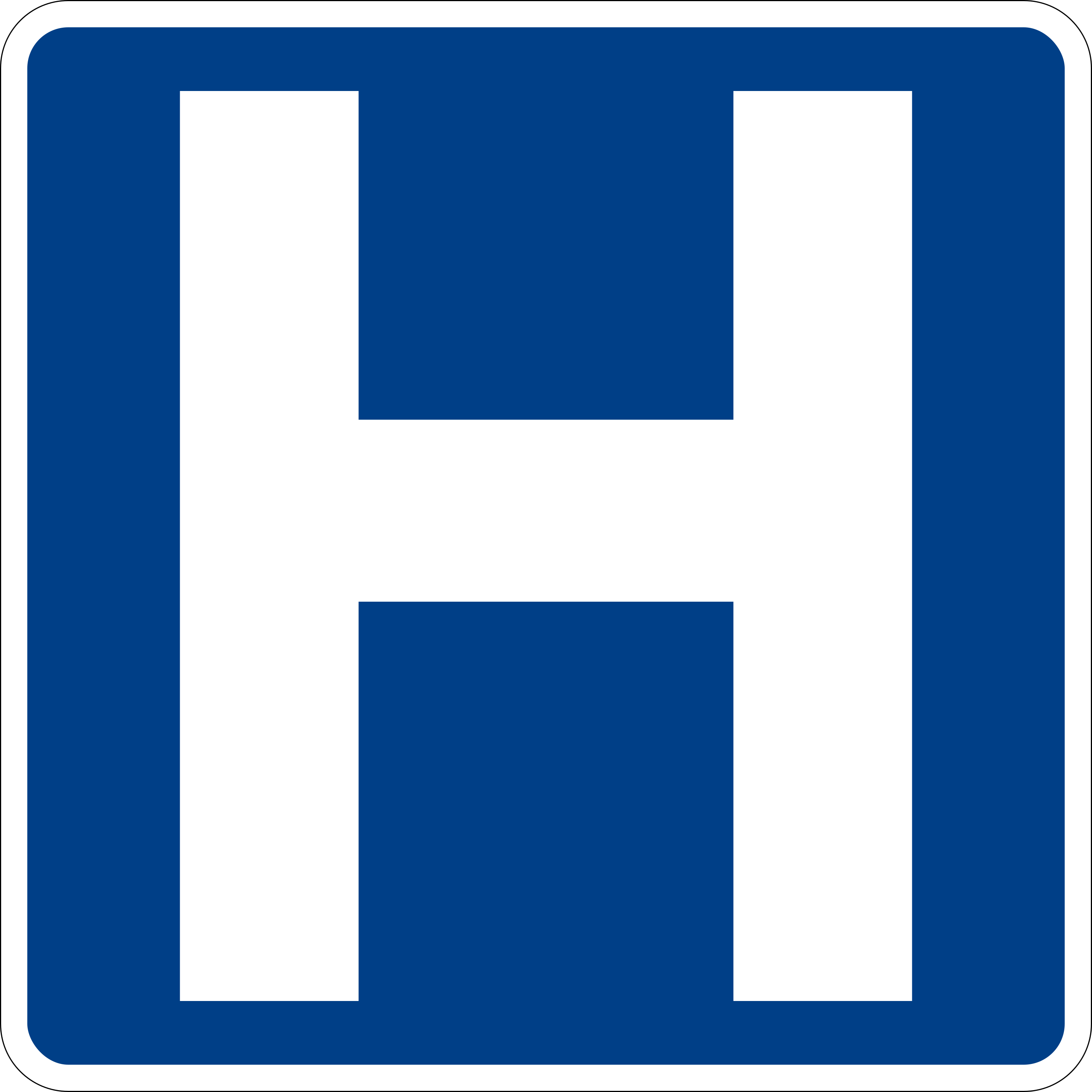
Hospital D9-2
Directs you to a nearby hospital or emergency medical care.

Gas / Fuel D9-7
Fuel is available at the next exit or nearby.
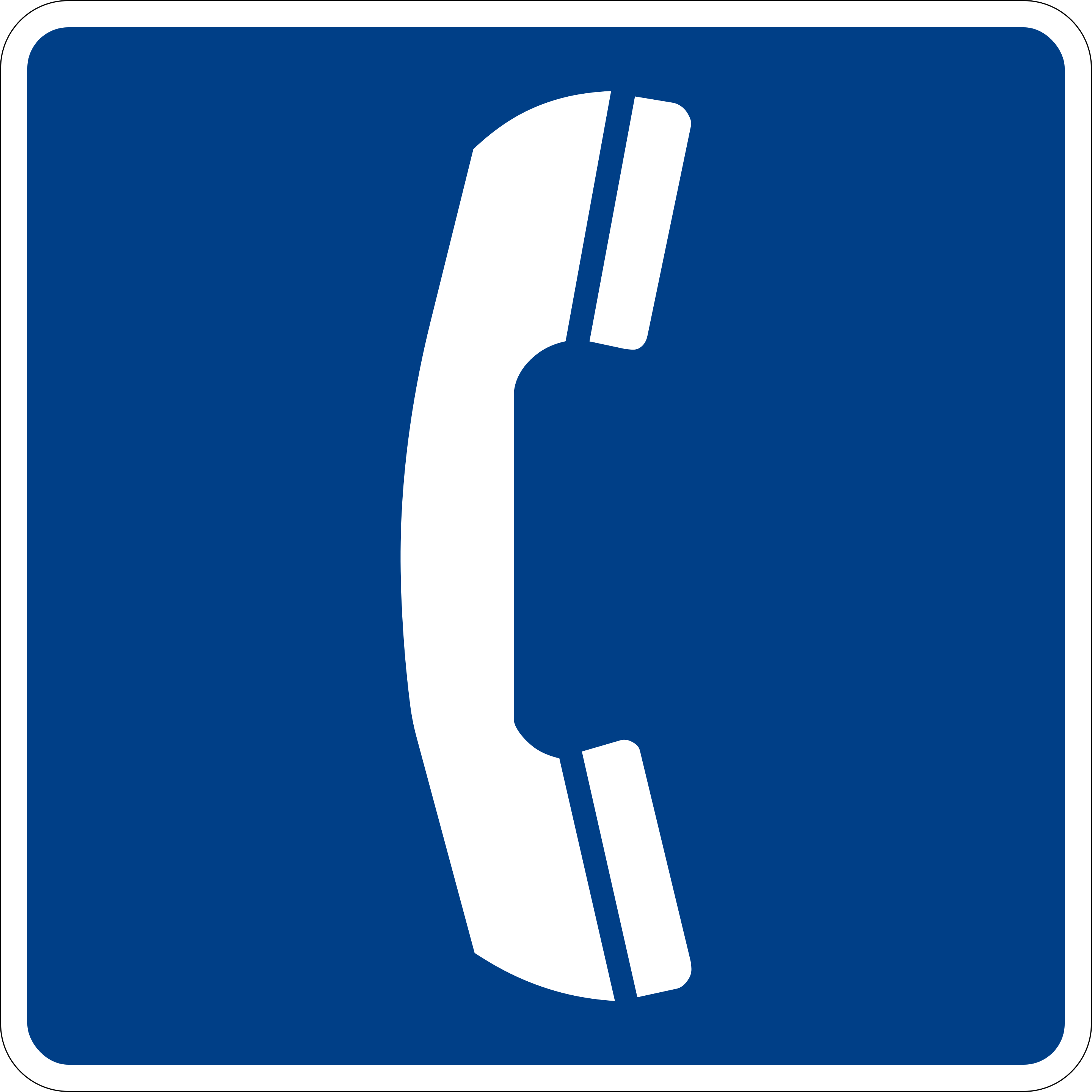
Telephone D9-1
A telephone is available at the next exit or nearby, historically for roadside emergencies.
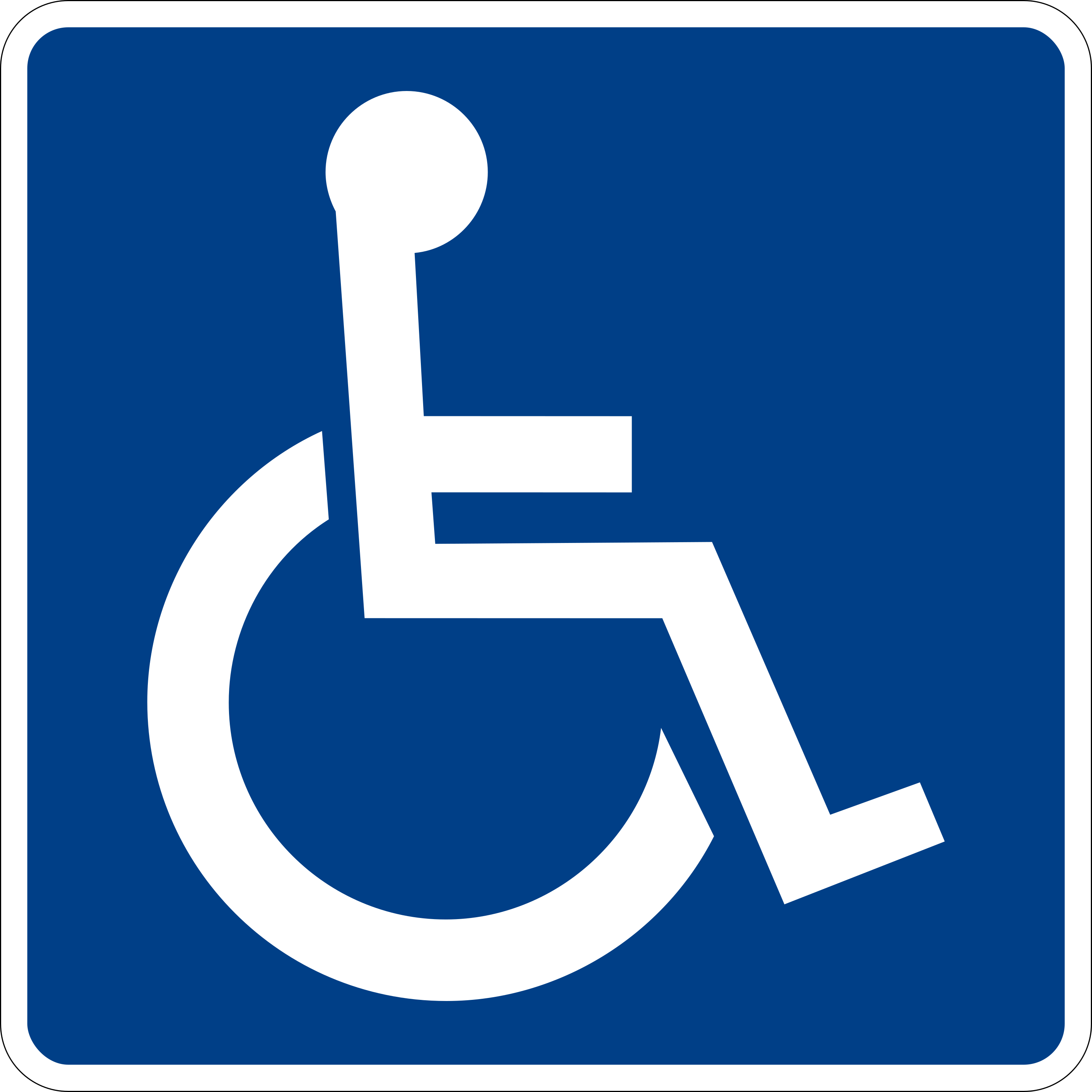
Camping D9-6
A campground with tent or RV sites is available nearby.

Food D9-8
Restaurants or food service are available at the next exit or nearby.

Lodging D9-9
Motels or hotels are available at the next exit or nearby.
Railroad Crossing Signs 3
Yellow, white crossbuck, round advance
Railroad signs warn of highway-rail grade crossings. Always approach ready to stop, never race a train, and never stop on the tracks. These signs combine warning (round yellow) and regulatory (white crossbuck) shapes.
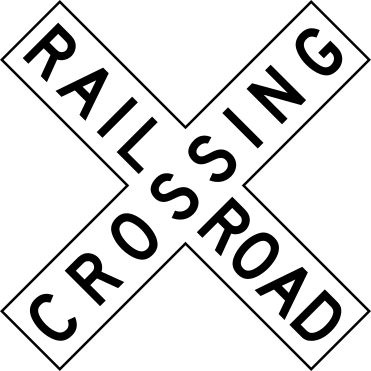
Railroad Crossing (Crossbuck) R15-1
The white X-shaped crossbuck marks the railroad crossing itself; yield to any approaching train and never stop on the tracks.

Railroad Advance Warning W10-1
The round yellow sign with an X and RR warns that a railroad crossing is ahead; slow down, look, and listen for trains.

Do Not Drive On Tracks R15-6
Prohibits driving on the train or light rail tracks. Stay in the regular traffic lanes and never use the track area as a driving lane.
Ready to test yourself?
Practice with free DMV sign questions and full practice tests for your state.
Start a Free Practice Test →This road-sign guide is an educational study aid based on the federal MUTCD and is not an official government publication. Signs and rules may vary by state - always follow the signs and laws where you drive.